From Kitchen to Café: Why Spotless Tile Floors Are Essential for Food Spaces

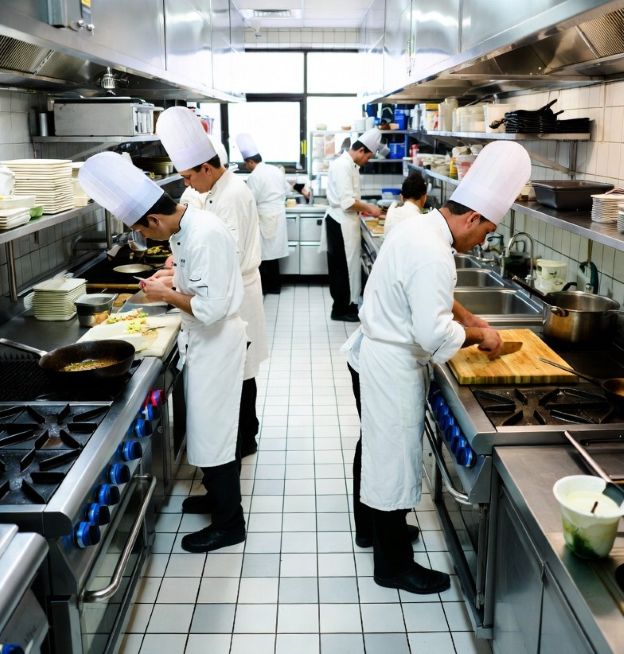
Food safety inspections consistently highlight cleanliness as a top factor in preventing contamination, and according to the World Health Organization, maintaining hygienic food environments helps reduce the risk of foodborne illness.
Step into any busy café during the lunch rush and you will notice the clatter of plates, the hiss of espresso machines, and the quiet hero beneath it all, the tile floor. It takes a beating every single day. Spilled milk, dropped sauces, muddy shoes, you name it. That is why professionals who specialize in cleaning tiles often stress that floors in food spaces need more than a quick mop. They need attention, strategy, and sometimes a deep clean that feels almost surgical.
Why Tile Floors Dominate Food Spaces
There is a reason most restaurants and cafés choose tile. It is tough. It handles moisture well. It does not warp like wood or stain as easily as carpet. In kitchens where heat and liquids are constant, tile stands its ground.
But durability does not mean invincible. Over time, grout lines begin to tell a different story. They trap grease, absorb spills, and slowly darken. What once looked fresh and bright can start to feel, well, a bit tired. And in a place where people eat, that visual matters more than owners sometimes admit.
The Hidden Problem Beneath Your Feet
Here is something most diners never think about, until they notice it. Grout is porous. It acts like a sponge. Every drop of oil or splash of sauce seeps in, building layers of grime that regular mopping cannot reach.
I once visited a small neighborhood café that served amazing pastries. The croissants were perfect. But the floor near the counter had darkened grout lines that looked permanently stained. It did not take away from the taste, but it planted a small seed of doubt. If this part is overlooked, what else might be?
That is the tricky part. Floors quietly shape perception. Clean tiles signal care. Dirty grout suggests shortcuts, even if the kitchen itself is spotless.
How Professional Cleaning Changes the Game
Deep cleaning tile floors is not just about appearance. It is about removing what you cannot see. Professional services follow a step-by-step process that goes beyond everyday routines. In fact, proper equipment cleaning and sanitizing practices are essential across all food environments, since surfaces that look clean can still carry harmful bacteria if not treated correctly.
Health authorities emphasize that cleaning removes dirt, while sanitizing reduces microorganisms to safe levels, making both steps necessary for true hygiene.
- Pre-inspection: Experts assess the condition of tiles and grout. They identify problem areas, stains, and buildup.
- Targeted treatment: Specific cleaning agents break down grease and embedded dirt without damaging surfaces.
- High-pressure extraction: This is where the magic happens. Equipment flushes out grime from deep within grout lines, restoring the original color.
The result is often surprising. Floors that looked permanently stained suddenly appear brighter, cleaner, almost new again. It is one of those transformations that makes staff pause and say, “Wait, this is our floor?”
Safety Is More Than a Checklist
Clean floors are not just about looks. They are about safety. Grease buildup can create slippery surfaces, especially in fast-paced kitchens. One wrong step during a busy service can lead to accidents.
Regular tile maintenance reduces this risk. It keeps surfaces stable and predictable. Staff can move with confidence, and that matters during peak hours when every second counts.
Health inspectors notice this too. Clean, well-maintained floors show that a business takes hygiene seriously. It is not just about passing inspections. It is about building habits that protect both workers and customers.
The Long-Term Payoff
Ignoring tile maintenance might seem harmless at first. After all, floors are meant to be walked on. But over time, neglect leads to damage. Grout weakens. Tiles lose their finish. Repairs become inevitable, and expensive.
Routine care, including periodic deep tile cleaning, extends the life of flooring. It keeps surfaces strong and reduces the need for major renovations. Think of it as preventive care, like servicing a car before something breaks.
There is also the customer experience to consider. People notice clean spaces, even if they cannot explain why. A bright, well-kept floor adds to the overall atmosphere. It makes a café feel inviting, a restaurant feel trustworthy.
Building a Culture of Clean
Maintaining spotless floors is not a one-time effort. It requires consistency. Staff need simple routines for daily upkeep, while management schedules deeper cleaning at regular intervals.
Some businesses even treat it as part of their brand. Cleanliness becomes a silent promise to customers. It says, “We care about every detail, even the ones you might not notice right away.”
And honestly, that level of care stands out. In a competitive food scene, small details can make a big difference.
Conclusion
Tile floors are the foundation of food spaces, both literally and figuratively. They support the flow of service, contribute to safety, and influence how customers feel the moment they walk in. Investing in proper maintenance, including expert cleaning tiles, is not just about keeping things tidy. It is about protecting reputation, ensuring safety, and creating an environment where people feel comfortable enjoying their meals.
Because at the end of the day, great food deserves a clean stage. And sometimes, that stage starts right under your feet.